What are you looking for?
Search


| Size | Chest (in) | Waist (in) | Length (in) | Chest (cm) | Waist (cm) | Length (cm) |
|---|---|---|---|---|---|---|
| S | 36-38 | 30-32 | 27 | 91-97 | 76-81 | 69 |
| M | 39-41 | 33-35 | 28 | 99-104 | 84-89 | 71 |
| L | 42-44 | 36-38 | 29 | 107-112 | 91-97 | 74 |
| XL | 45-47 | 39-41 | 30 | 114-119 | 99-104 | 76 |
| 2XL | 48-50 | 42-44 | 31 | 122-127 | 107-112 | 79 |
| 3XL | 51-53 | 45-47 | 32 | 130-135 | 114-119 | 81 |
| 4XL | 54-56 | 48-50 | 33 | 137-142 | 122-127 | 84 |
| 5XL | 57-59 | 51-53 | 34 | 145-150 | 130-135 | 86 |
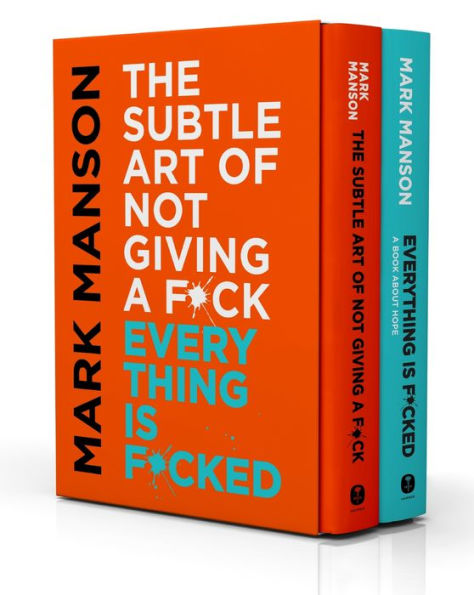
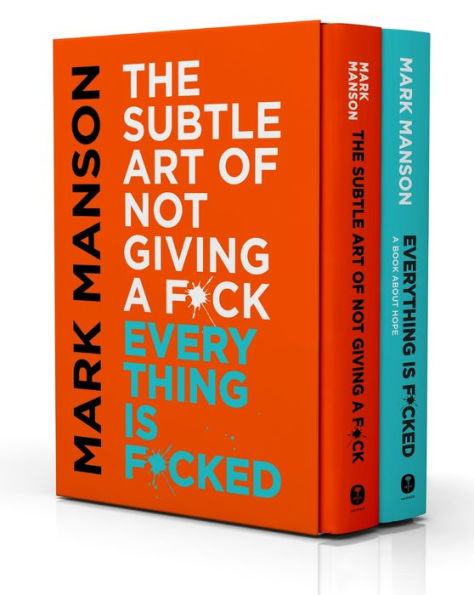
In his two groundbreaking books, celebrated anti-self-help authority Mark Manson shows us how to truly pursue a better life and gives us a better understanding of our world.
The generation-defining self-help guide The Subtle Art of Not Giving a F*ck, cuts through the crap to show us how to stop trying to be “positive” and truly become better, happier people. Taking a much-needed, grab-you-by-the-shoulders-and-look-you-in-the-eye approach, Mark Manson’s guide offers a dose of real-talk, filled with entertaining stories and profane, ruthless humor. Wise and genuine, it serves as a refreshing generational reset to help us all lead contented, grounded lives.
In Everything Is F*cked, Manson shifts focus from overcoming individual flaws to the endless calamities occurring in the world around us. Drawing from the deep pool of psychological research on these topics, as well as the timeless wisdom of philosophers, including Plato, Nietzsche, and Tom Waits, he dissects religion and politics and the uncomfortable ways they have come to resemble one another. He explores our relationships with money, entertainment, and the internet, and how too much of a good thing can psychologically eat us alive. He openly defies our definitions of faith, happiness, freedom—and even of hope itself, teaching us to see the world and ourselves differently.

You have successfully commented, please wait for review
Copied Successfully
You can enjoy up to 1 free gift!